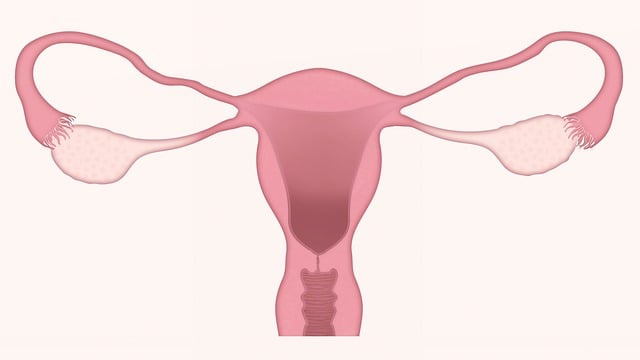
The term "toilet infection" is commonly used to describe various infections affecting the genital and urinary regions, often linked to poor hygiene practices or public restroom use. While the idea of contracting an infection from a toilet seat may sound alarming, it's essential to separate fact from fiction and understand the real causes, prevention methods, and dispel common myths surrounding so-called "toilet infections."
Causes of Genital and Urinary Infections:
- Bacterial Infections:
Bacterial infections, such as urinary tract infections (UTIs) and bacterial vaginosis, can be caused by the introduction of harmful bacteria into the genital area. This can occur through improper wiping, sexual activity, or exposure to contaminated surfaces. - Fungal Infections:
Fungal infections, like yeast infections, can result from an overgrowth of naturally occurring fungi in the genital area. Factors such as a weakened immune system, antibiotic use, or hormonal changes may contribute to these infections. - Viral Infections:
Viral infections, such as genital herpes or human papillomavirus (HPV), can be transmitted through sexual contact but are not typically associated with toilet seats. - Parasitic Infections:
Parasitic infections, although less common, can also affect the genital region. Proper hygiene and safe sexual practices can reduce the risk of parasitic infections.
Prevention Strategies:
- Good Personal Hygiene:
Practicing good personal hygiene is fundamental in preventing genital and urinary infections. This includes regular bathing, proper wiping techniques, and wearing clean, breathable underwear. - Safe Sexual Practices:
Using barrier methods, such as condoms, during sexual activity can help prevent the transmission of sexually transmitted infections (STIs). Regular STI screenings are also important for sexually active individuals. - Avoiding Irritants:
Limiting the use of irritating products, such as scented feminine hygiene products, douches, or harsh soaps, can help maintain a healthy genital environment. - Staying Hydrated:
Adequate hydration supports overall health, including the urinary system. Drinking plenty of water helps flush out toxins and bacteria from the body.
Common Myths:
- Toilet Seats as Sources of Infection:
Contrary to popular belief, toilet seats are not significant sources of infection transmission. Most pathogens responsible for genital and urinary infections do not survive for long outside the human body. Direct skin-to-skin contact or exposure to contaminated surfaces during sexual activity poses a higher risk. - Public Restrooms as Hotspots:
While it's important to practice good hygiene in public restrooms, the risk of contracting an infection from toilet seats is minimal. The skin acts as a protective barrier, and infections are more likely to be transmitted through direct contact or exposure to contaminated bodily fluids.
Understanding the true causes of genital and urinary infections, practicing good hygiene, and separating myths from facts are key to maintaining reproductive and urinary health. While the term “toilet infection” is commonly used, it’s important to rely on evidence-based information to make informed health decisions. At Mascot Healthcare Clinic in Lagos, we provide accurate diagnosis, patient education, and appropriate treatment tailored to your symptoms. If you’re experiencing signs of infection such as discharge, pain, itching, or burning urination, click the link to book a consultation and get proper medical care promptly.