As parents, it's common to worry when your baby becomes fussy, cries more than usual, or refuses to feed. One of the most frequent questions we get at Mascot Healthcare is:
“Does teething cause fever?”
The simple but important answer is NO. Teething does not cause a true fever.
What Teething Can Actually Cause
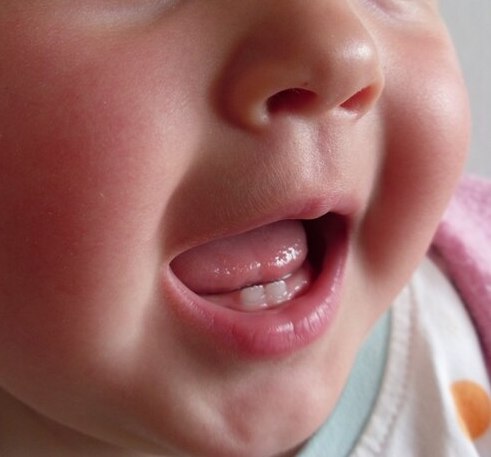
Teething is a normal part of childhood development and usually begins between 4–7 months. During this stage, babies may show mild symptoms such as:
- Increased drooling
- Gum discomfort
- Mild irritability
- Chewing on objects
- Slight temperature rise (but usually below 38°C)
- Mild swollen gums
These symptoms are expected and harmless.
What Teething Does NOT Cause
Contrary to common belief, teething does not cause:
- High fever (≥ 38°C)
- Diarrhoea
- Vomiting
- Cough and catarrh
- Body weakness
- Rashes all over the body
If your child is experiencing these symptoms, it means something else is happening—often Malaria, a viral or bacterial infection.
Why Parents Often Get Confused
During the teething period, babies naturally put many objects in their mouths. This increases exposure to germs, which can lead to infections. The mother's protection passed to the baby through breast milk is also inadequate at this stage, increasing the chances of having Malaria. These conditions are what cause fever.
Visit a clinic/hospital immediately if your baby has:
- Fever ≥ 38°C
- Persistent crying or irritability
- Refusal to feed
- Diarrhoea or vomiting
- Weakness or unusual sleepiness
Key Takeaway
Teething is a normal developmental stage that can cause mild discomfort, drooling, and irritability in babies, but it does not cause true fever. Any temperature from 38°C and above, or symptoms such as vomiting, diarrhoea, cough, or unusual weakness, should not be assumed to be due to teething. Understanding the difference helps parents respond appropriately and seek proper medical evaluation when necessary.